

Are you itching to solve your dog’s skin problems?
Dog skin problems can be very frustrating. Are the itching and scratching driving you and your dog up the wall? What about the licking and biting? Why is it happening? What can you do if you have a dog with skin problems?
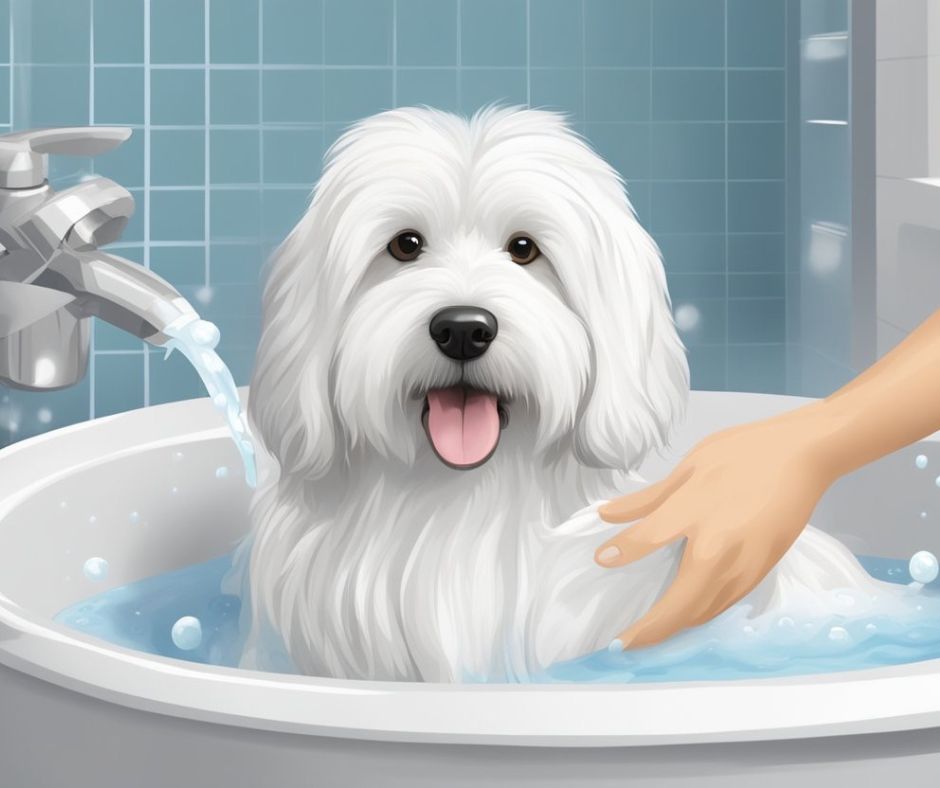
If you are a Coton de Tulear owner, you may have noticed that your dog is prone to skin problems. These adorable dogs are known for their long, soft, cotton-like coats, but unfortunately, their skin can be sensitive and easily irritated.
My first Coton, Luc, had chronic skin problems, so I understand how frustrating this can be. It’s heartbreaking to watch your dog suffer, but the good news is that there are solutions.
But first, you have to arm yourself with knowledge and a lot of detective work.
Many factors can bring about canine skin problems and affect all breeds - including the Coton de Tulear. While the Coton isn't necessarily prone to problem skin; no dog breed is immune. Unfortunately, this is a subject I know way too much about because my dog, Luc, suffered from allergies for many years before we found the best solution for him.
As responsible pet owners, we should all know the signs and, most importantly, the causes and prevention methods to prevent these skin problems from happening.
Yes, most dogs scratch at one time or another, but sometimes, too much scratching can be a symptom of a skin disorder. Continuous licking and biting can also be a sign of dog skin problems. It’s a good idea to always check your pet’s skin. Look for irregularities like red bumps or open sores, balding patches, and flaky skin.

If you see any of these symptoms, it’s advisable to visit the veterinarian for a checkup as soon as possible:
- Itching/scratching: Pay attention to where your dog is scratching or biting, as this can give you a clue as to where the problem is
- Licking: Constantly licking paws and privates are indicators of a skin issue
- Biting their skin
- Rolling their ears on the floor
- Skin bumps and lumps
- Hair loss and bald patches need to be addressed since they can be a result of allergies, infections, or hormonal imbalances
- Hot spots (inflamed, redness)
- Odor: You’ll notice an “icky” smell when your dog has an ear infection. It’s time to go to the vet!
- Flaky or dry skin
- Changes in skin color
If your dog is scratching and licking, it’s easy to tell if there are skin problems, but other symptoms could be more challenging to detect with a long-haired dog like the Coton. Regular grooming is essential; it allows you to find these problems early as they pop up.
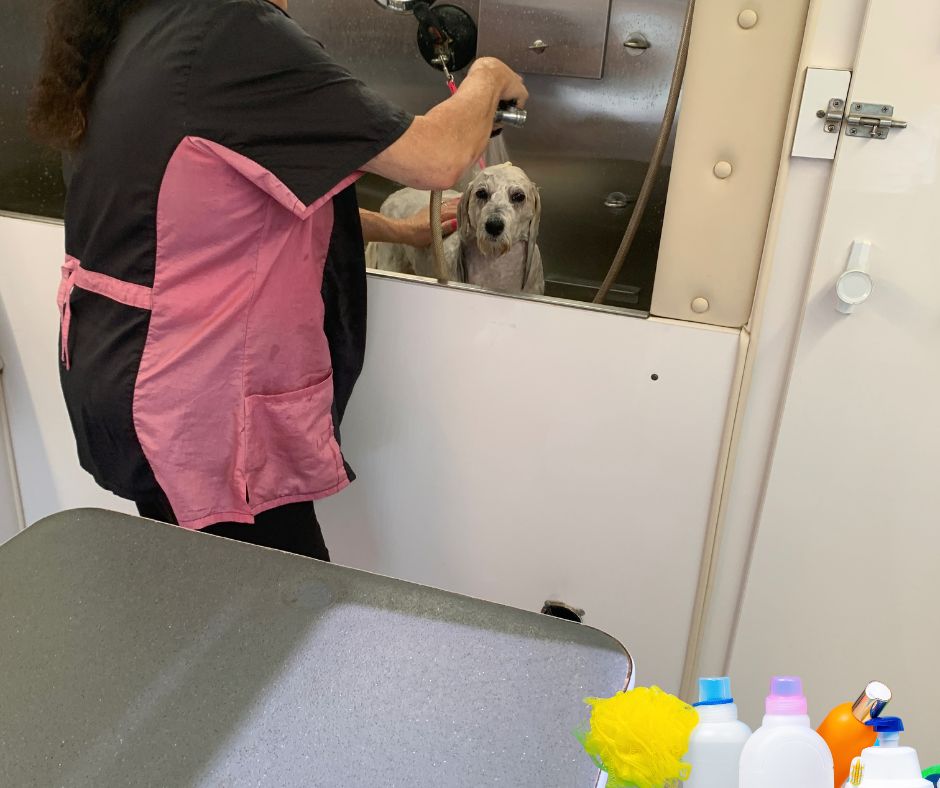 Lucy at mobile groomer
Understanding Causes of Common Skin Problems:
The first step in treating dog skin problems is determining their cause. You must know the root of the problem so you can understand how to tackle it.
Coton de Tulear dogs are known for their beautiful, soft, and cotton-like coats. However, their delicate skin can be prone to various skin conditions that can cause discomfort and irritation.
Here are some of the most common skin conditions in Cotons:
Genetic Issues: Some skin conditions may be hereditary, such as atopic dermatitis, a common skin condition in dogs caused by an allergic response to environmental allergens such as pollen, dust, and mold.
Environmental allergies are the hardest to deal with since the triggers are hard to avoid and mostly out of our control. My dog, Luc, was allergic to dozens of environmental toxins that were impossible to eliminate. We could only manage his symptoms.
Ear Infections: The Coton’s beautiful, long, floppy ears can create a dark, moist environment, making them susceptible to chronic ear infections. Treatment options will vary depending on whether your dog has yeast infections or bacterial infections. A simple swab at the vet’s office can lead you to the right treatment path.

Parasites are another common cause of dog skin problems. Ticks, mites, and fleas can be a nightmare; they bite into the dog’s skin, which in turn causes itching or even red bumps to appear. Even one or two flea bites can cause intense itching and discomfort in dogs with flea dermatitis. Because fleas can also transmit other parasites and diseases, it’s crucial to treat flea infestations ASAP!
Regular grooming and preventative measures such as flea and tick control can help prevent parasitic infestations in your Coton. Learn about natural flea prevention here.
Food Sensitivities and Allergies: Dogs can also develop food sensitivities or allergies to certain types of food. The most common foods known to trigger allergies are beef, chicken, eggs, corn, wheat, and soy.
Food allergies are easier to deal with since you can do an elimination diet, remove foods triggering allergies, and all is well. My Coton, Lucy, doesn’t have the chronic issues Luc did (yay!), but she does have an intolerance for chicken. Easy fix – no more chicken!
Seasonal conditions: Different seasons throughout the year can also trigger dog skin problems. During hot seasons, summer spots are common. This happens when the animal’s hair gets wet and remains damp. A warm and damp coat is the ideal environment for bacteria to grow. Hot spots or sores can form if bacteria gets trapped in the hair.
The same hot and humid season is also the perfect climate for ringworms. If you see a bald patch with a scaly center, this might be a ringworm infection. Ringworm is dangerous to a dog’s health and can also be transmitted to humans, creating even more complications.
On the other hand, some dogs may get dry and flaky skin in cold, dry weather during the winter. Dry and flaky skin will also cause your dog to itch.
It helped me to track Luc’s symptoms so I could determine when seasonal allergies would affect him and get ahead of it. A visit to the vet to prevent severe symptoms worked out much better than trying to treat symptoms that were already in full force.
Diagnosing Dog Skin Problems
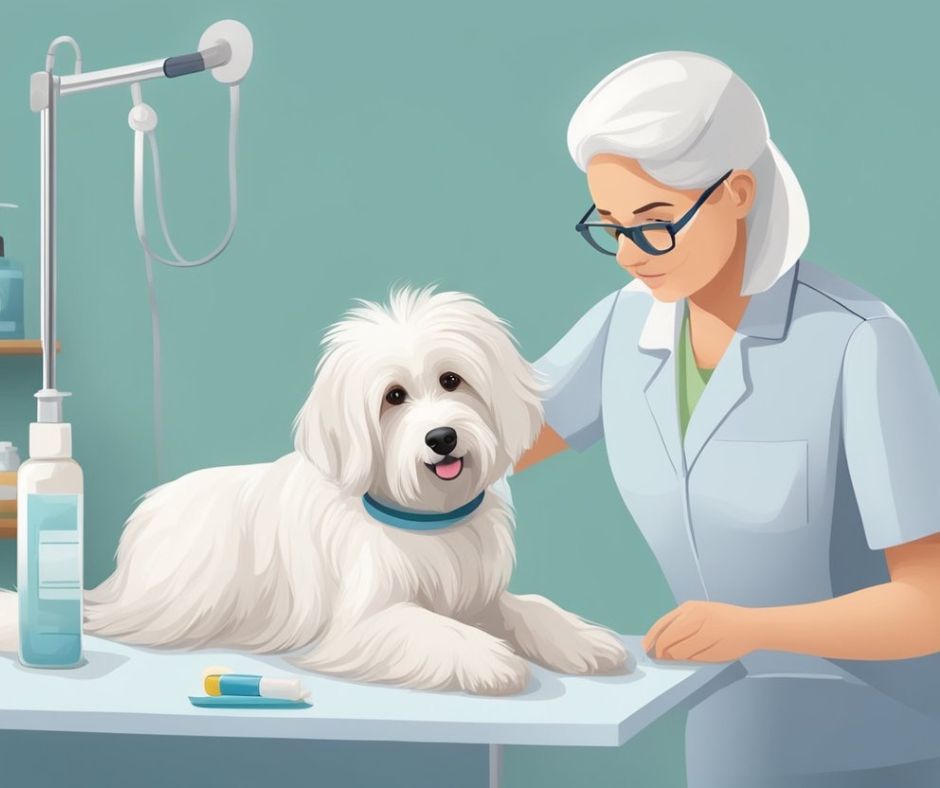
If your Coton de Tulear is experiencing skin problems, it is important to seek an accurate diagnosis from a veterinarian. Here are some ways to diagnose the underlying cause of dog skin conditions:
Allergy testing and blood tests can help identify any allergies your dog may have which can cause skin problems. Blood tests can also detect any underlying conditions, such as hormonal imbalances or infections, that may be causing skin problems.
HELP! How to get relief for dog skin problems
Now, with every problem, there is always a solution and the same applies to Coton skin conditions. My suggestion is to start with more natural methods for treatment before going to extreme methods such as monthly drugs or steroids that can have side effects.
- Oral antibiotics and antifungal medications may be prescribed to treat bacterial or fungal infections causing skin problems. Additionally, supplements such as omega-3 and omega-6 fatty acids can help promote healthy skin and reduce inflammation. Your veterinarian may also recommend vitamin or mineral supplements to support your dog's overall health.
- Special sensitive skin and allergy shampoos can also be given to get rid of the pesky mites, ticks, and fleas that can harm your pet.
- Special combs and tick-picking devices can also be purchased to manually remove these parasites.
- Topical treatments such as creams and ointments can be used to treat sores and itchy bumps.
- A humidifier can help keep moisture in the coat if your dog suffers from dry, flaky skin.
- Dietary changes and nutrition: If you notice allergic reactions to specific foods, then it’s wise to eliminate them. Food trials and elimination diets will help you determine the right foods for your dog. This requires a lot of patience since you have to experiment with different foods one at a time and then analyze your dog's reaction.
- Allergy shots and immunotherapy: Allergy shots work by gradually desensitizing your dog to the allergen, helping to reduce or eliminate their allergic reactions over time. Immunotherapy involves using medications to modulate the immune system and reduce inflammation caused by allergies. I gave my dog, Luc, allergy shots for two years and didn’t see any improvement. While shots work for some dogs, it was an expensive and stressful experience for us.
Prevention and Care
Environmental Control: One of the first steps to preventing skin problems in your Coton de Tulear is to control their environment. Environmental allergies can cause skin irritations and infections, so keeping your dog's living space clean and free of allergens is important. Regularly vacuuming carpets, washing bedding, and keeping your home dust-free can help reduce the risk of skin problems. You can also eliminate all products with toxic chemicals.
Regular grooming and skin care are essential to maintaining healthy skin in your Coton de Tulear. Brushing your dog's coat daily can help prevent matting and tangling, which can lead to skin irritations. Bathing your dog regularly with a gentle shampoo can also help keep their skin clean and healthy. Regular grooming also allows you to find problems right away before they become more serious.
But be careful. Common mistakes that owners make include using human shampoos and conditioners, over-bathing their dogs, and not drying their dogs properly after bathing or swimming. These mistakes can lead to dry, itchy skin, ear infections, and other skin problems.
The internet has thousands of products claiming to treat dog skin problems. But beware – this can be costly and make some problems worse. Having a good relationship with your vet is important so you can ensure that any cures aren’t worsening the situation.
Be sure to visit a professional who has dealt with dogs with skin problems. If you are looking for a more natural, drug-free solution, you may want to see a holistic or functional medicine veterinarian. These doctors tend to treat the root cause instead of just managing symptoms.
Unfortunately, what works for one dog may not work for another. So, like me, you might have to put that detective hat on and keep researching and trying new things to find the treatment that works best for your dog.


Home | About Me | Contact Me | Privacy Policy |Disclosure
Copyright© 2008- All Rights Reserved
Share your Coton Stories & Photos Here

Recent Articles


-
Shiloh the little thief
Apr 05, 24 07:50 AM
 Shiloh is 8 months old and has made all of our lives a little brighter. We lost my Dad last year and the grief overwhelmed all of us. I thought we would
 -
Teeth cleaning
Apr 03, 24 01:30 PM
What is the best toothpaste to use? What about the teeth cleaner you put in their water? -
Dark brown eye staining
Mar 26, 24 10:43 AM
My coton is almost 5 years old and for the past year she has had terrible brown eye staining. The vet says it is allergies but it never gets better even
Sign up for your free Newsletter
You will also receive 10 Things Every Coton Parent Should know (answers to the most commonly asked questions about the breed).