

Dog Food Allergies:
Is your dog’s kibble the culprit
for itchy scratchy skin?
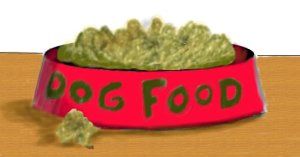
Did you know that dog food allergies account for roughly 10% of dogs suffering with skin conditions and allergy problems? This means that it is a much bigger problem than many people think and it is growing. Treating dog allergies is becoming quite common these days.
While the Coton de Tulear is not considered to be a breed particularly prone to allergies, as with any condition, no breed is risk free. This is ironic since this breed is known to be a solution for humans suffering with allergies.
One of the tricky things about diagnosing dog food allergies is that while some cases show problems within minutes of eating a certain dog food; sometimes the problem will not make itself apparent until months after the food was eaten.
Also, do not make the mistake of assuming that it is not dog food allergies because your dog has been eating the same brand of food for months or even years. Generally speaking, most dog food allergy symptoms show up after two years of eating the same food. It may be a little confusing to understand, but in many cases, this is how long it takes for the allergies to build up to a point where they are noticeable.
Common symptoms of dog food allergies include:
- Scratching
- Itching
- Hair loss
- Hot spots
- Rashes, bumps, flakes, or hives
- Chronic ear infections
- Digestive problems – diarrhea and vomiting
- Foul odor coming from skin
- Unlike seasonal environmental allergies, symptoms are mostly year-round
It might help to know what some of the common ingredients that cause canine food allergies are ingredients that are pretty common in commercial pet food such as chicken, beef, yeast, soy, corn, dairy products, eggs, wheat and preservatives. Approximately 70% are allergic to meat, dairy or wheat. The food culprit is not limited to this list which is why it is always a good idea to avoid feeding your dog or puppy anything from your plate.
An elimination diet is the most recommended treatment for canine food allergies. Basically, you will take your dog off of his current food and replace it with a pretty bland diet that he has not been previously exposed to. Then, you can slowly bring back in some of the old ingredients, one at a time. When the allergy symptoms reappear, then you will know which ingredient is the cause of it all.
Try substituting beef with proteins such as fish, lamb, venison or liver. Organic foods are preferable since they don’t have hormones, antibiotics or chemicals that cause the allergies.
If you want to
feed your dog homemade dog food the basic rule of thumb is to prepare
food with 50% protein, 25% whole grains, and 25% vegetables. You can find plenty of homemade recipes here.
This can be a very lengthy process, so until you identify the foods causing the problem, it’s important to treat your dog’s symptoms so he doesn’t have to suffer. You may have to bathe him more than you used to with medicated or anti-itch shampoos. Your vet may prescribe antihistamines such as Benadryl or other medication for severe allergies as a short term solution to give your dog immediate relief.
The good news is that once you identify the food causing the dog food allergies, your problem will likely be solved. BUT unfortunately, dogs with food allergies are also prone to other kinds of dog skin allergies.

Home | About Me | Contact Me | Privacy Policy |Disclosure
Copyright© 2008- All Rights Reserved
Share your Coton Stories & Photos Here

Recent Articles


-
Shiloh the little thief
Apr 05, 24 07:50 AM
 Shiloh is 8 months old and has made all of our lives a little brighter. We lost my Dad last year and the grief overwhelmed all of us. I thought we would
 -
Teeth cleaning
Apr 03, 24 01:30 PM
What is the best toothpaste to use? What about the teeth cleaner you put in their water? -
Dark brown eye staining
Mar 26, 24 10:43 AM
My coton is almost 5 years old and for the past year she has had terrible brown eye staining. The vet says it is allergies but it never gets better even
Sign up for your free Newsletter
You will also receive 10 Things Every Coton Parent Should know (answers to the most commonly asked questions about the breed).