

Canine Hot Spots
Solutions for your dog
What are canine hot spots? They are (moist dermatitis or pyotraumatic dermatitis) one of the most common dog skin problems. They are inflamed welted areas on the skin that often become infected.
Dog hot spots are usually caused from excessive biting, scratching, and licking usually resulting from allergies, fleas, insect bits, or injuries. They can occur at any time and in any breed, although dogs with thick coats are more prone to get them and they occur more frequently in warmer temperatures.
Can the Coton de Tulear get them?Absolutely, here’s how you can tell if your dog has this skin problem.
What are the symptoms?
- Redness
- Pain
- Itchiness
- Hair loss
- Inflammation
- Warm to the touch
- Pus
- Odor
Treatment
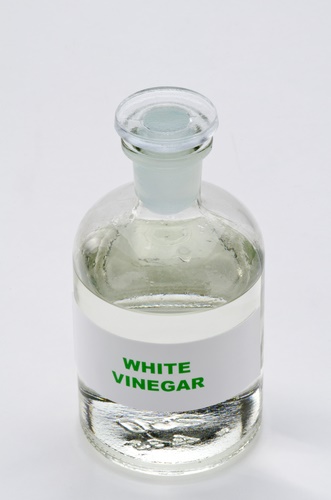
It’s important to treat hot spots as soon as possible because they can get significantly worse in a short period of time. Early treatment can also prevent severe infections.
According to the book, Dog skin solutions – the ultimate guide, sometimes it helps to clip the hair, or shave it, in the affected area and then apply one of the following:
- Gold Bond Powder, OR
- A 50/50 mixture of Listerine and water in a spray bottle, OR
- Mix 1⁄2 teaspoon per pint of water of Tea Tree Oil and leave on. OR
- Using a cotton ball, coat the area with full-strength vinegar.
For severe cases, some dogs may need to be sedated and given pain medication and anti-itch drugs. Elizabethan collars may need to be used to keep the dog from getting to the infected area.
How can you prevent canine hot spots?
Preventing the underlying actual cause of the licking, biting, and scratching is the best prevention. This can be done by:
- Maintaining a monthly flea prevention program
- Treating dog allergy symptoms so dogs aren’t scratching and biting excessively
- Keeping ears clean and dry so infections don’t arise and cause scratching.
- Bathing dogs more frequently if your dog is prone to hot spots.
Return to Canine Skin Problems

Home | About Me | Contact Me | Privacy Policy |Disclosure
Copyright© 2008- All Rights Reserved
Share your Coton Stories & Photos Here

Recent Articles


-
Shiloh the little thief
Apr 05, 24 07:50 AM
 Shiloh is 8 months old and has made all of our lives a little brighter. We lost my Dad last year and the grief overwhelmed all of us. I thought we would
 -
Teeth cleaning
Apr 03, 24 01:30 PM
What is the best toothpaste to use? What about the teeth cleaner you put in their water? -
Dark brown eye staining
Mar 26, 24 10:43 AM
My coton is almost 5 years old and for the past year she has had terrible brown eye staining. The vet says it is allergies but it never gets better even
Sign up for your free Newsletter
You will also receive 10 Things Every Coton Parent Should know (answers to the most commonly asked questions about the breed).